
Attack on Titan (Shingeki no Kyojin) redefined what anime can be: a story that begins as an action adventure about titan-eating giants and ends as a philosophical treatise on freedom, determinism and the cycle of hatred. If you've finished all four seasons — including The Final Chapters — and are left with that void that only great finales create, this guide brings together the 12 best anime similar to Attack on Titan in 2026.
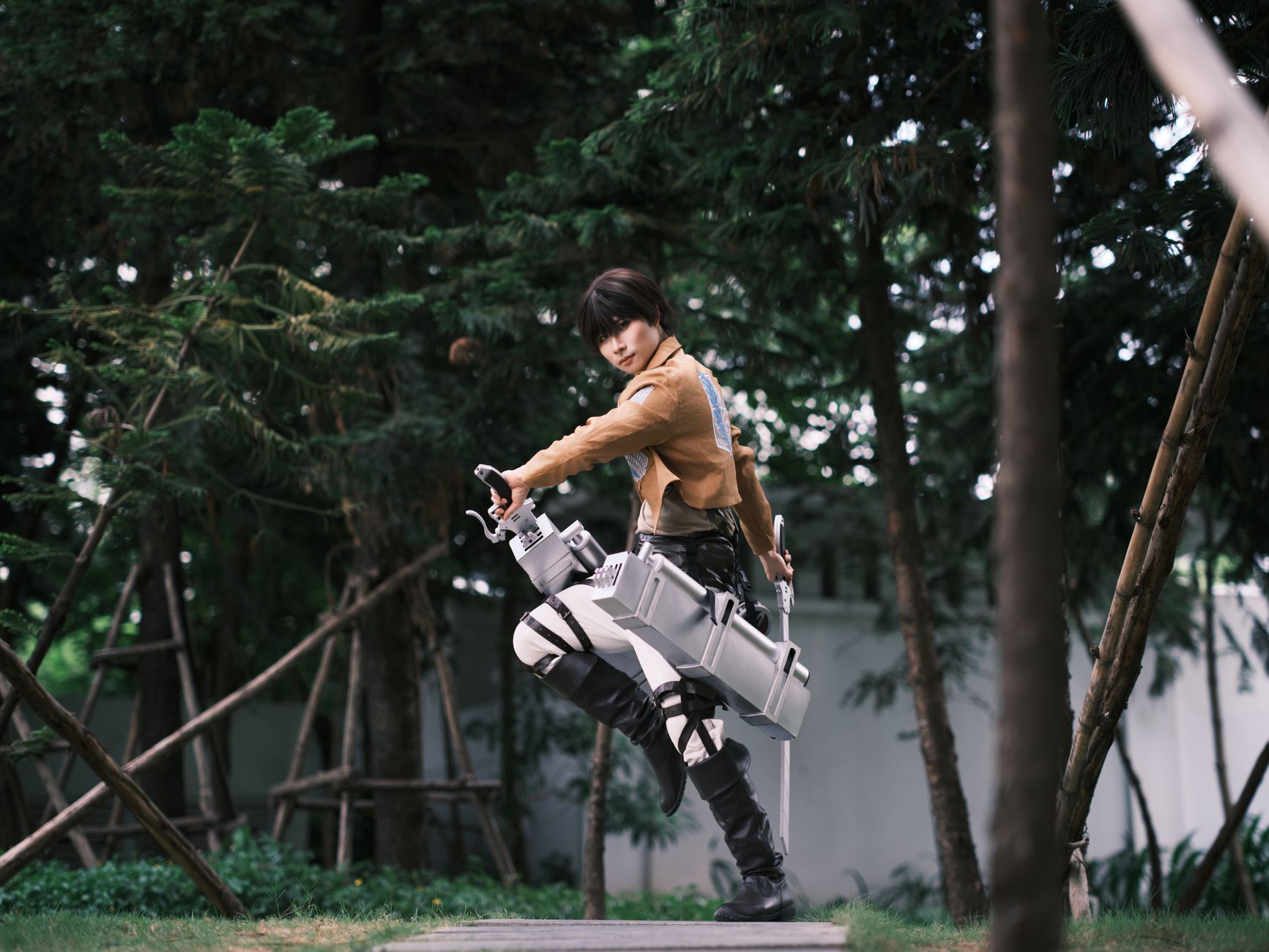
What Makes Attack on Titan Unique?
To find accurate recommendations, you need to identify the elements that set AOT apart from the rest of shonen. It's not just "action with characters dying":
- Layered storytelling — the story you think you're watching in season 1 is not the real story. The gradual revelation of the lore (the titans, the island, the outside world) is one of the most ambitious narrative constructions in the medium.
- Characters without an invulnerability shield — beloved characters die. Moral decisions with no right answer. No heroes without shadows.
- The antagonist as the protagonist's mirror — Eren Jaeger completes one of the most controversial and fascinating character arcs in anime history.
- Genuine philosophical weight — freedom, determinism, cycles of violence, the inheritance of trauma. It's not decoration: it's the backbone of the story.
- WIT and MAPPA animation at their peak — the 3D maneuver gear action sequences are among the most choreographed in modern anime.
The 12 Best Anime Similar to Attack on Titan
Vinland Saga
Vinland Saga is the most direct spiritual successor to AOT, and it's no coincidence: both series share the same animation studio in their best seasons (Wit). Thorfinn, the son of a legendary warrior, seeks to avenge his death in 11th-century Viking Europe. The first season has the same structure of promise-betrayal-obsession as AOT. The second season takes a radical turn — from war to peace, from hatred to reconciliation — reminiscent of the Marley arc. Askeladd is arguably the most three-dimensional antagonist in anime in recent years.
Demon Slayer (Kimetsu no Yaiba)
If Attack on Titan hooked you with the emotional intensity of its battles and the human-monster duality, Demon Slayer delivers exactly that with the best animation in modern shonen. Tanjiro Kamado fights to save his sister who has been turned into a demon. The Hashira of the Demon Slayer Corps carry the same energy of exceptional soldiers under pressure as AOT's Survey Corps. The Mugen Train arc and the Entertainment District season are visual masterpieces. No filler, perfect pacing, genuine emotional weight.
Jujutsu Kaisen
MAPPA, the studio that animated AOT's final season, is also behind Jujutsu Kaisen. And it shows: both works share a similar darkness, characters who die unexpectedly, and a power system with well-defined rules. Itadori Yuji absorbs the power of the King of Curses, Ryomen Sukuna, and must cope with a destructive inner force he cannot control — just like Eren with the power of the Attack Titan. The Shibuya arc (season 2) delivers the same emotional devastation as the Marley arc.
Fullmetal Alchemist: Brotherhood
FMAB shares with AOT the narrative ambition, antagonists with genuine philosophical motivations, and a story that runs deeper than it first appears. Edward and Alphonse Elric search for the Philosopher's Stone to restore their bodies. "Father" as antagonist and the Homunculi are as well-crafted as AOT's Titans. The difference is tone: FMAB carries more hope and delivers a more satisfying ending. If AOT felt too dark by the end, FMAB is the perfect counterweight. 64 episodes with zero filler.
Berserk (1997)
Hajime Isayama, AOT's creator, has cited Berserk as one of his direct inspirations. And you can see it: humanity cornered by supernatural creatures, a protagonist traumatized by a devastating betrayal, an antagonist who was once the closest ally, cycles of violence with no easy redemption. Guts as a character prefigures Eren Jaeger in several ways. The 1997 anime (25 episodes) is the recommended entry point — Miura's complete manga is the definitive experience. Warning: the Eclipse is one of the most disturbing moments in anime.
Hunter x Hunter (2011)
HxH 2011 shares with AOT the ability to reconfigure the genre mid-course. The Chimera Ant arc turns what seemed like a shonen adventure into a reflection on the nature of humanity, the predatory instinct and empathy — themes that resonate directly with AOT's later arcs. The Nen system and the complexity of characters like Meruem or Netero match AOT's best moments. 148 episodes with zero filler.
Goblin Slayer
For fans of AOT's more brutal aesthetic: a fantasy world where monsters aren't fairytale threats but a real, bloody danger. Goblin Slayer follows a nameless warrior obsessed solely with exterminating goblins — a figure that recalls Levi Ackermann in his cold-blooded efficiency. The first episode is notoriously rough, but the series builds from there into a memorable team dynamic. Ideal for viewers who wanted more seriousness and consequences from the dungeon fantasy genre.
Kabaneri of the Iron Fortress (Koutetsujou no Kabaneri)
Made by the same studio as AOT's first seasons (Wit Studio) and with much of the same creative team, Kabaneri is the most direct homage to the spirit of season 1: humanity sheltering behind walls, supernatural threats humans can barely fight, a protagonist who carries something of the monster he battles. 12 episodes of high-octane action without the later narrative complexity of AOT, but with the same visual adrenaline.
Seraph of the End (Owari no Seraph)
Another Wit Studio title that draws directly from AOT's DNA: humanity reduced by a catastrophe (a virus that kills everyone over 13), survivors enslaved by vampires, two male protagonists with a brotherly bond that becomes the emotional core of the series. Seraph of the End shares the same character design and the same structure of specialized military factions. It doesn't reach AOT's narrative depth, but it hits the same emotional buttons.
Neon Genesis Evangelion
If what hit you hardest about AOT was the philosophical and psychological weight of its characters — especially Eren — rather than the action itself, Neon Genesis Evangelion is the essential reference. Shinji Ikari pilots a giant mech to defend humanity from the Angels in a post-apocalyptic world. Like Eren, Shinji carries the weight of the world, has a traumatic relationship with father figures, and reaches disturbing conclusions about the nature of existence. NGE invented many of the tropes that AOT perfected thirty years later.
Dororo (2019)
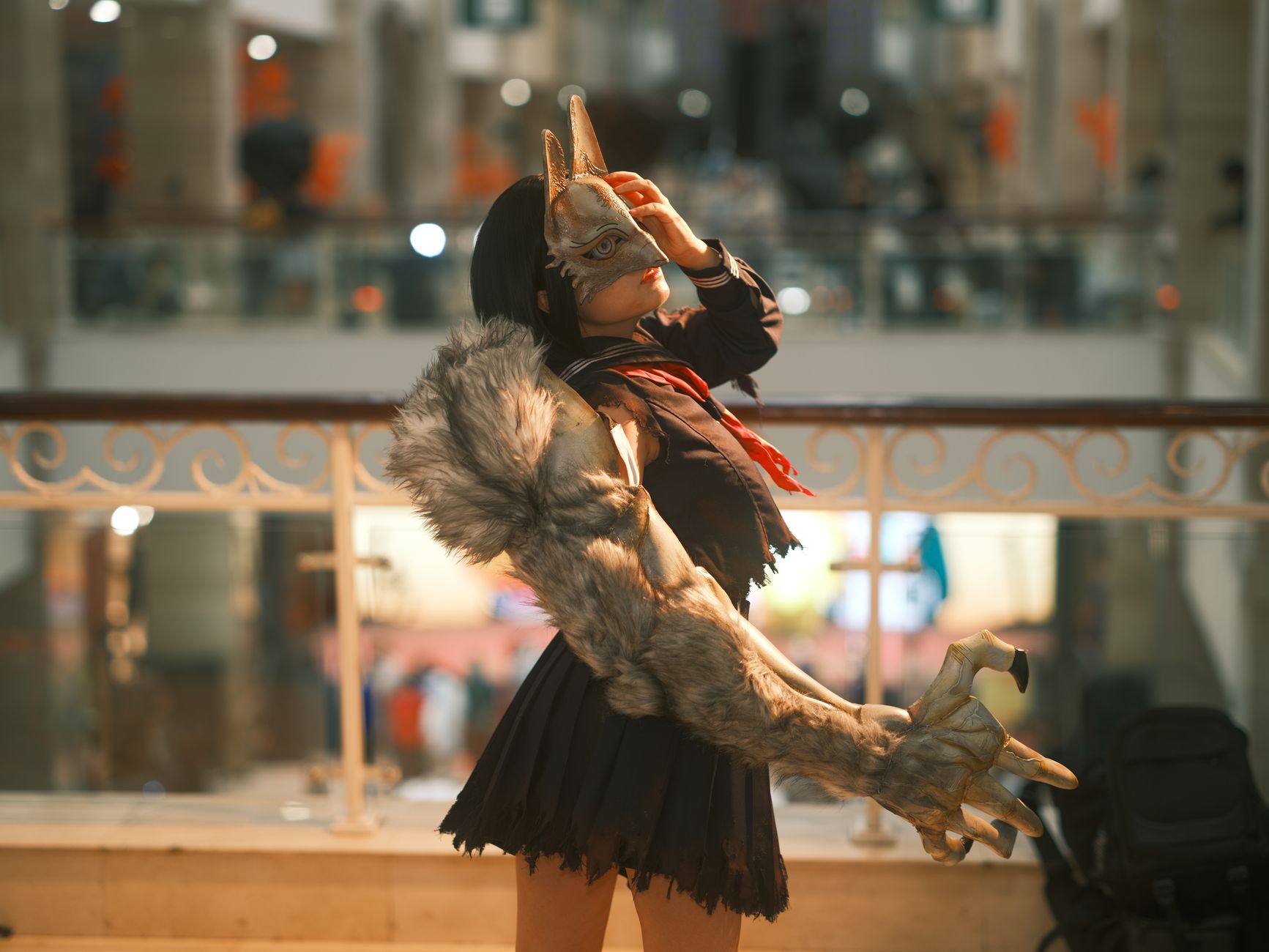
Based on Osamu Tezuka's 1960s manga and remade by MAPPA with contemporary animation, Dororo tells the story of Hyakkimaru, a warrior without organs — his parents sacrificed them to demons before he was born — who must reclaim his humanity by killing the demons one by one. The backdrop of family trauma, demons as a metaphor for political power, and the reflection on sacrificing the innocent for the "greater good" connect directly to AOT's darkest themes. 24 compact episodes, zero filler.
Made in Abyss
The art style deceives you. Made in Abyss looks like an adventure anime with a cute art style, but it's a work of progressive psychological horror where two children descend toward the bottom of a forbidden abyss. The "Curse of the Abyss" — the deeper you go, the more your body suffers if you try to ascend — carries the same irreversible-consequences weight as AOT. Riko and Reg share the same desperate bond of trust that Armin and Eren have. Season 2 and the film are even more disturbing. Not recommended if you're expecting the characters to be protected from harm.
Comparison Table: Anime Similar to Attack on Titan
| Anime | Similar to AOT for | Episodes | Tone | Where to Watch |
|---|---|---|---|---|
| Vinland Saga | Dark epic, betrayal, radical narrative shift | 48 | Very dark | Prime Video |
| Demon Slayer | Emotional intensity, human-monster duality | ~76 + film | Dark / hopeful | Crunchyroll / Netflix |
| Jujutsu Kaisen | MAPPA, real deaths, destructive inner power | ~50+ | Dark | Crunchyroll |
| FMA: Brotherhood | Epic narrative, philosophy, deep antagonists | 64 | Balanced | Crunchyroll / Netflix |
| Berserk (1997) | Direct Isayama inspiration, devastating betrayal | 25 | Very dark | Prime Video |
| Hunter x Hunter | Genre reinvention, philosophical reflection | 148 | Variable | Crunchyroll / Netflix |
| Goblin Slayer | Real brutality, lethal efficiency like Levi | 12 | Very dark | Crunchyroll |
| Kabaneri | Same studio, same core premise as AOT S1 | 12 | Dark | Prime Video |
| Seraph of the End | Wit Studio, besieged humanity, protagonist duo | 24 | Dark | Crunchyroll |
| Neon Genesis Evangelion | Psychological weight, tormented protagonist | 26 + films | Psychological | Netflix |
| Dororo | Trauma, sacrifice of innocents, political demons | 24 | Dark | Prime Video |
| Made in Abyss | Irreversible consequences, progressive horror | 13 + S2 + film | Very dark | HIDIVE / Crunchyroll |
Where to Start Based on What You Loved About Attack on Titan
- If the dark epic and shocking deaths hooked you: Vinland Saga → Berserk (1997) → Dororo
- If you prioritize combat animation and emotional weight: Demon Slayer → Jujutsu Kaisen
- If you want the best lore and layered storytelling: Hunter x Hunter 2011 → Fullmetal Alchemist: Brotherhood
- If Eren's psychological depth hit you hardest: Neon Genesis Evangelion → Made in Abyss
- If you want something from the same visual world and studio: Kabaneri → Seraph of the End
Frequently Asked Questions
What is the anime most similar to Attack on Titan?
Vinland Saga is the most direct spiritual successor: the same feeling of dark epic storytelling, a protagonist shaped by loss and revenge, a brutal world with no pure heroes, and a radical narrative shift in the second half that completely changes the tone. Demon Slayer and Jujutsu Kaisen share the combat intensity and emotional weight.
Is Attack on Titan suitable for viewers over 16?
Attack on Titan is rated 16+ on most platforms. It contains explicit violence, complex philosophical themes about freedom, determinism and genocide, and psychologically disturbing scenes. It is not recommended for viewers under 14. From age 16 onwards, it is an enriching rather than disturbing experience.
How many seasons does Attack on Titan have?
Attack on Titan has 4 main seasons (87 episodes) plus 8 OVAs and the two The Final Chapters specials that close Season 4. The recommended viewing order is to watch the seasons in release order, with the 'No Regrets' and 'Lost Girls' OVAs in their chronological positions.
Where can I watch Attack on Titan in 2026?
Seasons 1 through 4 are fully available on Crunchyroll with English subtitles and English dub. The Final Chapters is also available on Amazon Prime Video. The English dub is available on Crunchyroll for all main seasons.
Is Fullmetal Alchemist Brotherhood similar to Attack on Titan?
They share narrative ambition and antagonists with genuine philosophical depth. However, FMAB is more hopeful and has a more satisfying ending, while AOT is darker and more political. Both are essential masterpieces; if you loved one, the other is the logical next step.
Is Berserk for fans of Attack on Titan?
Absolutely yes. Hajime Isayama, AOT's creator, has cited Berserk as a direct inspiration. Guts as a trauma-scarred protagonist, the brutality of the medieval world, giants as a metaphor for crushing fate, and the betrayal by a close ally all have a direct echo in Isayama's work. The 1997 anime or the manga are the recommended formats.