
If you watch enough school anime, you'll notice a pattern: nobody seems to have real classes, but everyone lives and dies for their club. An exhausted captain who's first to the gym every morning, a tournament that decides whether the third-years retire with their heads held high, a clumsy rookie kohai a senpai teaches through yelling and patience. That's not exaggerated writing, it's bukatsu, the real system of Japanese school clubs, and understanding it changes how you watch shows like Haikyuu, K-On! or Slam Dunk.
What bukatsu is (and why it's not just an extracurricular)
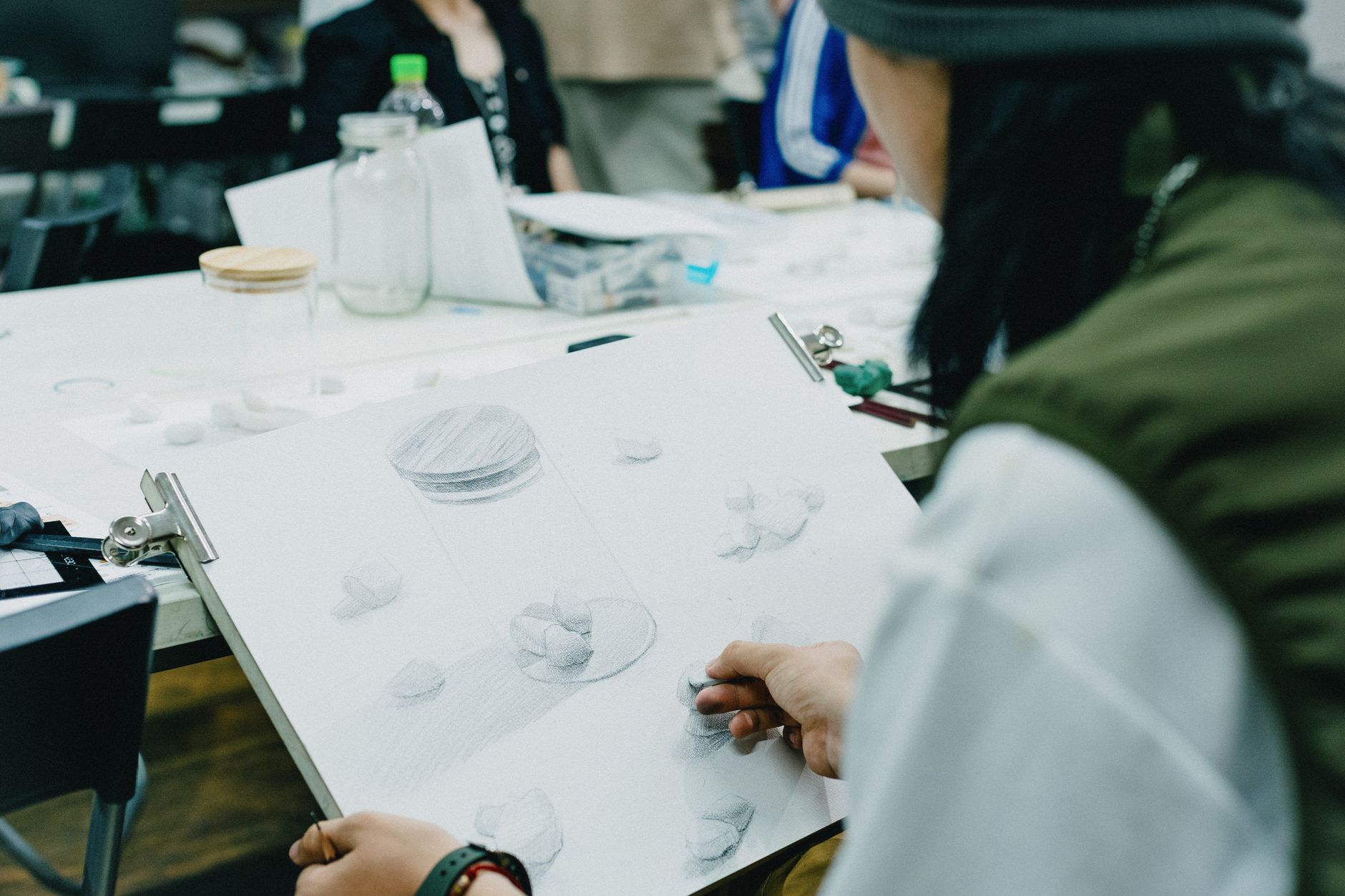
Bukatsu (部活, short for bukatsudo, 部活動) refers to club activities inside a Japanese high school. The key difference with a US extracurricular isn't just scheduling, it's how much of a student's life it consumes: while an American teen might go to soccer practice twice a week at a facility separate from school, in Japan the club trains or practices almost every day, weekdays and weekends, inside the school itself, with a faculty advisor and, often, summer training camps. For many students, the club defines their friend group, their identity and even the high school or college track they aim for, far more than their grades do.
Undoubu and bunkabu: the two big types of club
Japanese clubs broadly split into two families, and anime mines both for very different kinds of drama:
| Type | What they do | Anime examples |
|---|---|---|
| Undoubu (運動部, sports) | Volleyball, baseball, swimming, track. Regional tournaments that eliminate losers outright. | Haikyuu (volleyball), Free! (swimming), Slam Dunk (basketball), Blue Lock (soccer) |
| Bunkabu (文化部, cultural) | Music, art, theater, literature, cooking. Preparing performances for the bunkasai (cultural festival). | K-On! (light music band), Hibike! Euphonium (wind band), Bakuman (manga club) |
The buchou: more than just a captain
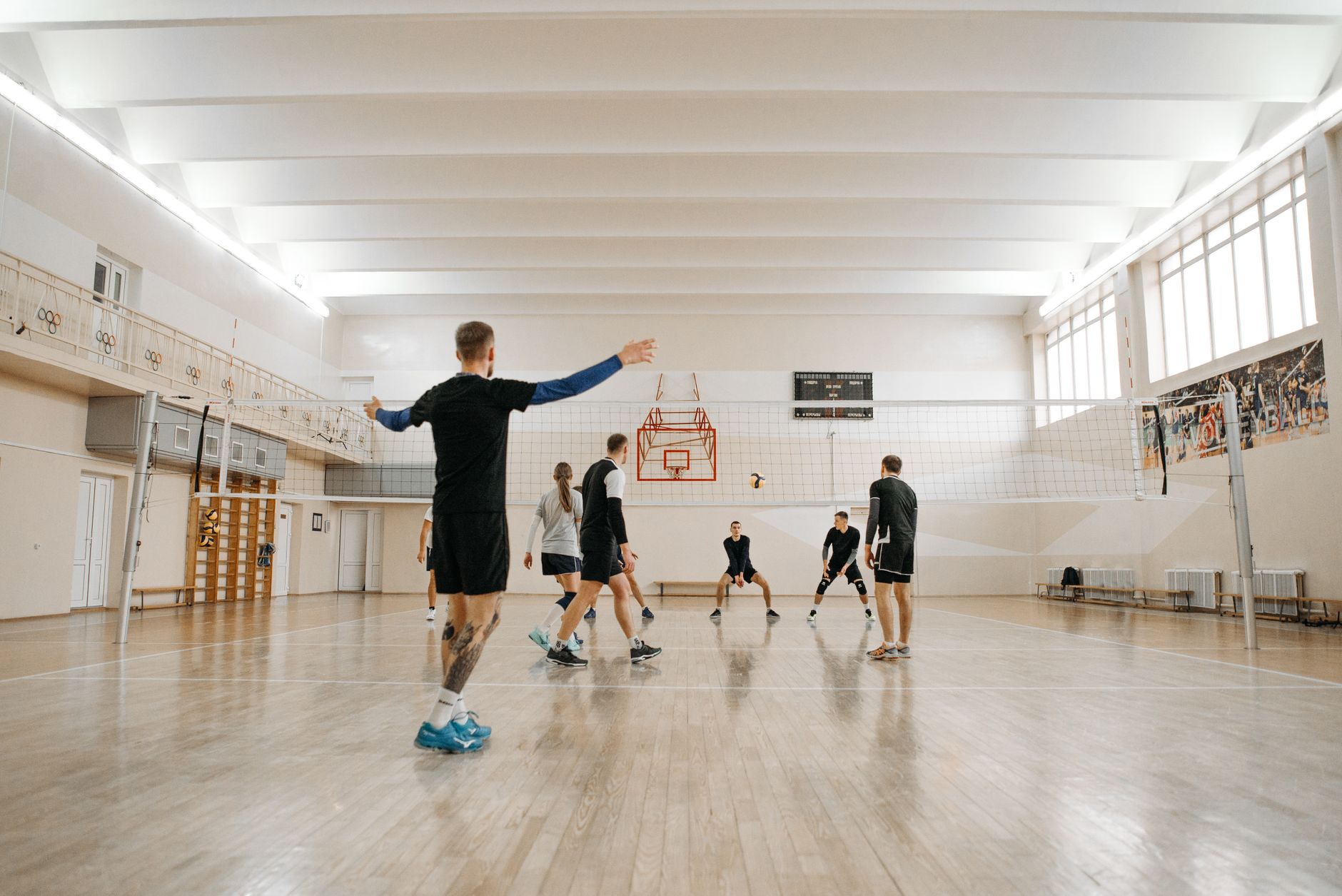
The buchou (部長) is the club's president, almost always a second or third-year student chosen by their teammates or the faculty advisor. Anime usually shows them as just "the captain who calls the plays," but in real life the role carries an almost administrative workload: scheduling practices, negotiating with the faculty advisor and school administration, managing the club's budget (uniforms, gear, tournament travel) and mediating conflicts between teammates. So when an anime shows an exhausted buchou signing paperwork on top of training, it's not exaggerating.
Senpai and kohai inside the club
You've probably already run into the term if you've read about Japanese honorifics, but inside a club the senpai-kohai relationship becomes almost a second school hierarchy. The kohai (underclassman) owes respect, helps with club chores like carrying equipment, prepping the field or cleaning the locker room, and in many clubs is expected, unwritten but understood, never to openly question a senpai. In return, the senpai is supposed to guide, protect and sometimes cover for their kohai's mistakes. This relationship explains two of anime's most repeated scenes: the clumsy rookie a veteran senpai takes under their wing (the base of the Hinata-Kageyama dynamic in Haikyuu, even though they're the same year), and the awkward tension when a first-year kohai turns out to be more talented than their senpai.
Taikai: the tournament that decides if you retire in tears or in triumph
The sports bukatsu calendar revolves entirely around the taikai, the regional or national tournament with single-elimination brackets. There's no long season with room for error: losing one match can mean the third-years leave the club for good that same afternoon, no second chance, because the norm in Japan is to quit the club at the end of your final year of high school to focus on university entrance exams. That ticking clock hanging over the seniors is the emotional engine of shows like Haikyuu or Slam Dunk: every match can literally be the last one.
The bunkasai: the big day for cultural clubs (and everyone else)
The bunkasai is the school's annual cultural festival, when every class and every club puts on something for the public: a themed cafe, a play, a concert, an art exhibit. For cultural clubs it's their equivalent of the sports taikai, the date they've spent months preparing for. And since it's one of the rare days the school opens up to families and the rules loosen a little, anime uses it nonstop as the backdrop for romantic confessions, resolving club drama and emotional goodbyes before the third-years graduate. If you've ever seen a character get nervous about "the festival" in a school anime, now you know why.
Is there anything like this in American high schools?
Not quite. US extracurriculars are usually optional, run outside the school itself, and rarely define a teenager's entire social circle. Japanese bukatsu happens inside the school, with a faculty advisor, dedicated facilities and a daily time commitment that gets close to a semi-pro team's schedule. The closest thing would be a competitive varsity sports program with near-daily practice, but even that's missing the added social pressure where skipping club in Japan can feel almost like skipping class.
5 anime to really understand bukatsu
- Haikyuu!! — The fullest portrait of undoubu: club hierarchy, single-elimination taikai and the dread of third-years counting down their remaining matches.
- K-On! — The laid-back bunkabu side, a light music club living for the bunkasai and for not disbanding due to low membership.
- Free! - Iwatobi Swim Club — A swim club rebuilt from scratch, with all the bureaucracy of founding a bukatsu (finding an advisor, recruiting members, securing a budget).
- Slam Dunk — The classic school basketball story, with an overwhelmed buchou and the taikai as the entire season's only goal.
- Hibike! Euphonium — Proof that a bunkabu can be as demanding as any sports team, with the wind band fighting for a national competition.
Books on Japanese culture and society, plus the original manga for series like Haikyuu or K-On!, are a great way to go deeper into bukatsu than a single episode can cover.
Shop Japanese culture books on AmazonAffiliate link: we earn a small commission on qualifying purchases, at no extra cost to you.
Related guides
Frequently asked questions about bukatsu
What is bukatsu in Japan?
Bukatsu (部活, short for bukatsudo) refers to school club activities in Japanese high schools. Unlike after-school activities in the US, bukatsu is not a single two-hour session once a week: students train or practice almost every day, on weekdays and weekends, throughout all three years of high school. It can be sports-based (volleyball, baseball, track) or cultural (music, art, theater, cooking, literature).
Why is bukatsu so important in anime?
Because in real Japanese life, the club is where friendships, identity and even a teenager's academic or professional future take shape, far more than in the classroom. Anime reflects that because it is the perfect stage for drama: senpai-kohai hierarchy, single-elimination tournaments, sacrifice and personal growth. Haikyuu, K-On!, Free! and Slam Dunk are not exaggerating that intensity, they portray it fairly faithfully.
What is the difference between a sports club and a cultural club?
Sports clubs (undoubu) like volleyball, baseball, swimming or track compete in regional and national tournaments on a strict schedule, usually with tough physical training and even summer camps. Cultural clubs (bunkabu) like music, art, theater or the literature club focus on preparing performances or exhibits for the bunkasai and tend to be somewhat less demanding, though not always: a brass band or choir can rehearse just as many hours as a sports team.
What is the buchou, and how is it different from a captain on a Western team?
The buchou (部長) is the club's president or captain, usually chosen from second or third-year students. In anime it is often shown as just the captain who calls the plays, but in real life the role carries an almost administrative workload: scheduling practices, negotiating with the faculty advisor, managing the club's budget and mediating internal conflicts.
What is the relationship between senpai and kohai inside a club?
Within bukatsu, senpai and kohai follow a strict hierarchy: the kohai owes respect and helps with club chores, while the senpai is expected to guide and protect the kohai. This explains two of anime's most repeated scenes: a rookie kohai a veteran senpai takes under their wing, and the tension when a kohai turns out more talented than their senpai.
What is the bunkasai, and why does it show up so often in school anime?
The bunkasai is the school's annual cultural festival, when every class and cultural club puts on something for the public: a themed cafe, a play, a concert, an art exhibit. It is one of the rare days the school opens up to families, so anime uses it constantly for romantic confessions, resolving club conflicts and emotional send-offs before third-years graduate.
Is there anything like bukatsu in American high schools?
Not quite. US extracurriculars are usually optional, run outside the school and rarely define a teenager's entire social identity. Japanese bukatsu happens inside the school, with a faculty advisor, dedicated facilities and a near-daily time commitment closer to a semi-pro team's schedule.