
Demon Slayer: Kimetsu no Yaiba runs on a power system with its own name - Breathing Styles - and with so many colors, Hashira and offshoot forms, it's easy to lose track. This guide sorts out who's who, which Breathing Style each key character masters, and, more importantly, covers what most character rundowns skip: the real kokyū (breath control), authentic katana forging, and the Japanese oni folklore behind the fiction.
The base Breathing Styles, explained
Breathing Styles (呼吸, kokyū hō) are combat techniques that multiply a demon slayer's strength, speed and stamina by pushing breathing to an extreme physiological limit. All other styles evolved or drew inspiration from the five original forms.
| Breathing Style | Main character | Combat style |
|---|---|---|
| Water | Tanjiro Kamado, Giyu Tomioka | Fluid, continuous whole-body movements; highly versatile, the usual starting point for trainees. |
| Flame | Kyojuro Rengoku | Direct, explosive, enveloping attacks that mimic fire. |
| Thunder | Zenitsu Agatsuma | Extreme speed, near-instant strikes; Zenitsu only perfects one of its forms. |
| Stone | Gyomei Himejima | Solid, ceremonial stances, the most physically devastating style. |
| Wind | Sanemi Shinazugawa | Unpredictable and wild, mimics the force of a storm. |
| Insect (derived from Water) | Shinobu Kocho | Fast thrusts using poison instead of brute force, to make up for her lack of power. |
| Love (derived from Flame) | Mitsuri Kanroji | Flexible movements thanks to unique musculature, combining speed and strength. |
| Sound (derived from Thunder) | Tengen Uzui | Translates combat into "notes" to anticipate and land explosive strikes. |
| Mist (derived from Wind) | Muichiro Tokito | Hidden, confusing movements that make the user hard to track. |
| Serpent (derived from Water) | Obanai Iguro | Winding, unpredictable attacks, like the slither of a snake. |
| Sun (the original) | Yoriichi Tsugikuni, Tanjiro Kamado | Thirteen forms that together complete a perfect cycle; almost every other style derives from it. |
The Hashira (Pillars): who's who
The Hashira are the nine strongest demon slayers in the Corps, each an absolute master of their Breathing Style. They're the top benchmark of power before Tanjiro's hidden breathing forms come into play.
- Giyu Tomioka - Water Hashira, Tanjiro's indirect mentor.
- Kyojuro Rengoku - Flame Hashira, the lead of the Mugen Train movie.
- Shinobu Kocho - Insect Hashira, the smallest physically but lethal with poisons.
- Tengen Uzui - Sound Hashira, a former shinobi and the most flamboyant of the group.
- Mitsuri Kanroji - Love Hashira, the physically strongest woman in the Corps.
- Obanai Iguro - Serpent Hashira, always accompanied by his snake Kaburamaru.
- Sanemi Shinazugawa - Wind Hashira, the most aggressive and distrustful of demons.
- Gyomei Himejima - Stone Hashira, the physically strongest of all the Hashira.
- Muichiro Tokito - Mist Hashira, the youngest to ever reach the rank.
Tanjiro, Nezuko, Zenitsu and Inosuke: the leads
Tanjiro Kamado
Masters Water Breathing and inherits, through family memories and a pendant, Sun Breathing - the Hinokami Kagura ("Dance of the Fire God") - the ancient technique created centuries ago by Yoriichi Tsugikuni. His superhuman sense of smell, able to detect emotions and even illness, is his other major combat edge.
Nezuko Kamado
Turned into a demon at the start of the story, Nezuko is a unique case: her family bond and her own willpower let her resist the devouring instinct and feed through sleep instead of eating humans. Over time she develops resistance to sunlight, something unheard of among the series' demons, along with her own fire technique, the Blood Demon Art of exploding blood.
Zenitsu Agatsuma
He can only perfectly execute the First Form of Thunder Breathing - and later a seventh form of his own - but he repeats it with devastating speed and precision. His constant fear contrasts with a strength that only surfaces when he loses consciousness.
Inosuke Hashibira
Raised by boars in the mountains, he uses Beast Breathing (derived from Wind) with two jagged swords and unusual joint flexibility, letting him dodge attacks that would shatter anyone else's spine.
The real Japanese culture behind the Breathing Styles
This is what sets this guide apart from a simple power list. Demon Slayer doesn't invent its concepts from nothing - it draws them from real Japanese traditions and pushes them into fiction.
Kokyū: breath control in martial arts
Extreme breath control (kokyū) is a real pillar of Japanese disciplines like kyūdō (traditional archery), kendō and Zen Buddhism: mastering the breath is understood to mean mastering the body and mind before raw strength. The series pushes that idea to the extreme, turning it into a literal source of superpowers, but the underlying principle is a centuries-old practice, not a fantasy invention.
Nichirin swords and real sword forging
The "Swordsmith Village" arc pays tribute to nihontō, the Japanese tradition of forging katanas: folding the steel dozens of times, differential hardening of the blade, and a master smith dedicated to a single sword for weeks. In the fiction, Nichirin swords ("sunlight blades") change color depending on the wielder's nature and are the only material able to behead a demon.
Oni: the real folklore behind the demons
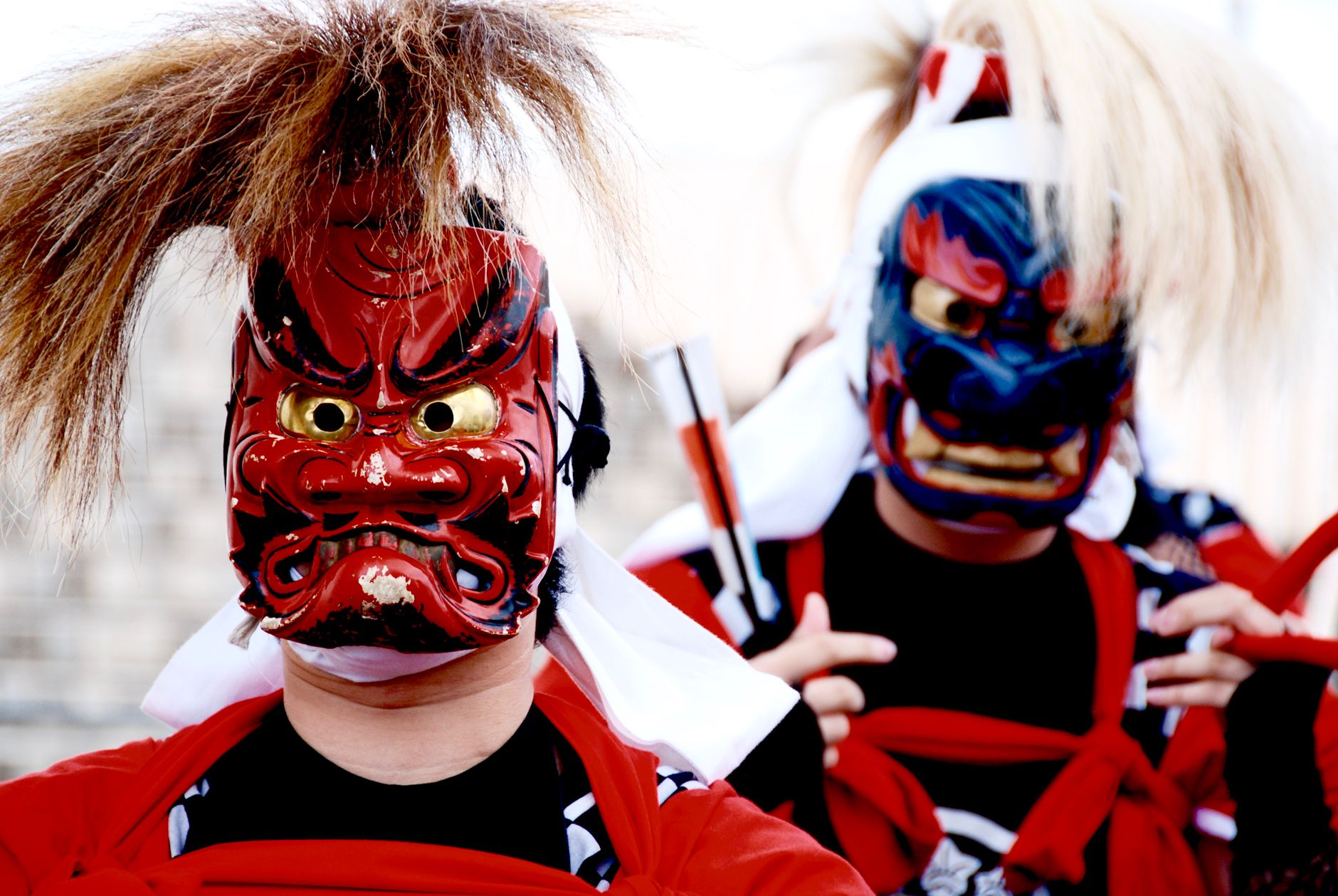
The oni are classic creatures from Japanese folklore associated with night, evil and a devouring appetite, long before Koyoharu Gotouge's manga existed. The series keeps their traditional fear of sunlight and adds wisteria flowers as a repellent, a plant that symbolizes longevity in Japan and was once planted near homes to ward off evil spirits.
Common misconceptions about the Breathing Styles
- Thinking every Breathing Style is independent: almost all of them derive from the five base styles (Water, Flame, Thunder, Stone, Wind) or, ultimately, from Sun Breathing.
- Mixing up "Hashira" with "strongest in the series": they're the strongest in the Demon Slayer Corps, but Muzan Kibutsuji and the Twelve Kizuki are several tiers above them in raw power.
- Believing Nezuko uses a Breathing Style: as a demon, she doesn't use Breathing Styles at all, but Blood Demon Art, a completely different power category.
- Ignoring the cultural roots: treating kokyū or the oni as pure fantasy invention misses much of why the series resonates so strongly in Japan.
Where to watch Demon Slayer legally
Demon Slayer is available on Crunchyroll with subtitles and English dub, and on Netflix (seasons 1 and 2). The Mugen Train movie is also on both platforms. If you want to dive deeper into every Hashira and every Breathing Style with the manga's full detail, Koyoharu Gotouge's complete collection adds panels the anime adaptation condenses.
Shop Demon Slayer on AmazonAffiliate link: we earn a small commission on qualifying purchases, at no extra cost to you.
Related guides
Frequently asked questions about Demon Slayer
What are the Breathing Styles (kokyū) in Demon Slayer?
They are combat techniques used by the Demon Slayer Corps that multiply the user's strength, speed and stamina through extreme breath control. There are five base Breathing Styles - Water, Flame, Thunder, Stone and Wind - and every other style (Insect, Love, Sound, Mist, Serpent, Beast...) branches off from those five.
What is the strongest Breathing Style in Demon Slayer?
Sun Breathing (the Hinokami Kagura in its hidden form) is the oldest and most powerful: it was created centuries ago by Yoriichi Tsugikuni, and almost every other Breathing Style derives from it directly or indirectly. Tanjiro inherits it through his family pendant and memories.
Who are the Hashira (Pillars) in Demon Slayer?
The Hashira are the nine strongest demon slayers in the Corps, each a master of one Breathing Style: Giyu Tomioka (Water), Kyojuro Rengoku (Flame), Shinobu Kocho (Insect), Tengen Uzui (Sound), Mitsuri Kanroji (Love), Obanai Iguro (Serpent), Sanemi Shinazugawa (Wind), Gyomei Himejima (Stone) and Muichiro Tokito (Mist).
Why doesn't Nezuko age or eat humans despite being a demon?
Nezuko is a unique case: her strong family bond with Tanjiro and her own willpower let her resist the demon hunger instinct and replace it with sleep as an energy source. Over time she also develops resistance to sunlight, something unheard of among the demons in the series.
Are the Nichirin swords from Demon Slayer real?
The weapon itself (a sword that kills demons with sunlight) is fiction, but it is based on nihontō, the real tradition of Japanese katana forging: folding the steel dozens of times, differential hardening and a single master smith dedicated to each blade. The series' 'Swordsmith Village' arc is a direct tribute to that centuries-old craft.
What are the demons (oni) in Demon Slayer based on?
On real Japanese oni folklore, creatures associated with the night, evil and a devouring appetite, long before Koyoharu Gotouge's manga existed. The series keeps their traditional fear of light and adds wisteria flowers as a repellent, a plant that symbolizes longevity in Japan and was once planted to ward off evil spirits.