
Manga is today one of the world's largest cultural industries, with more than $3 billion in annual sales in Japan alone. But its history extends across centuries: from the illustrated scrolls of the Heian period to the volumes filling bookstores across the planet. This guide traces the complete history of manga, its origins, the milestones that transformed it into the medium we know today and the genres that define the reading habits of millions.
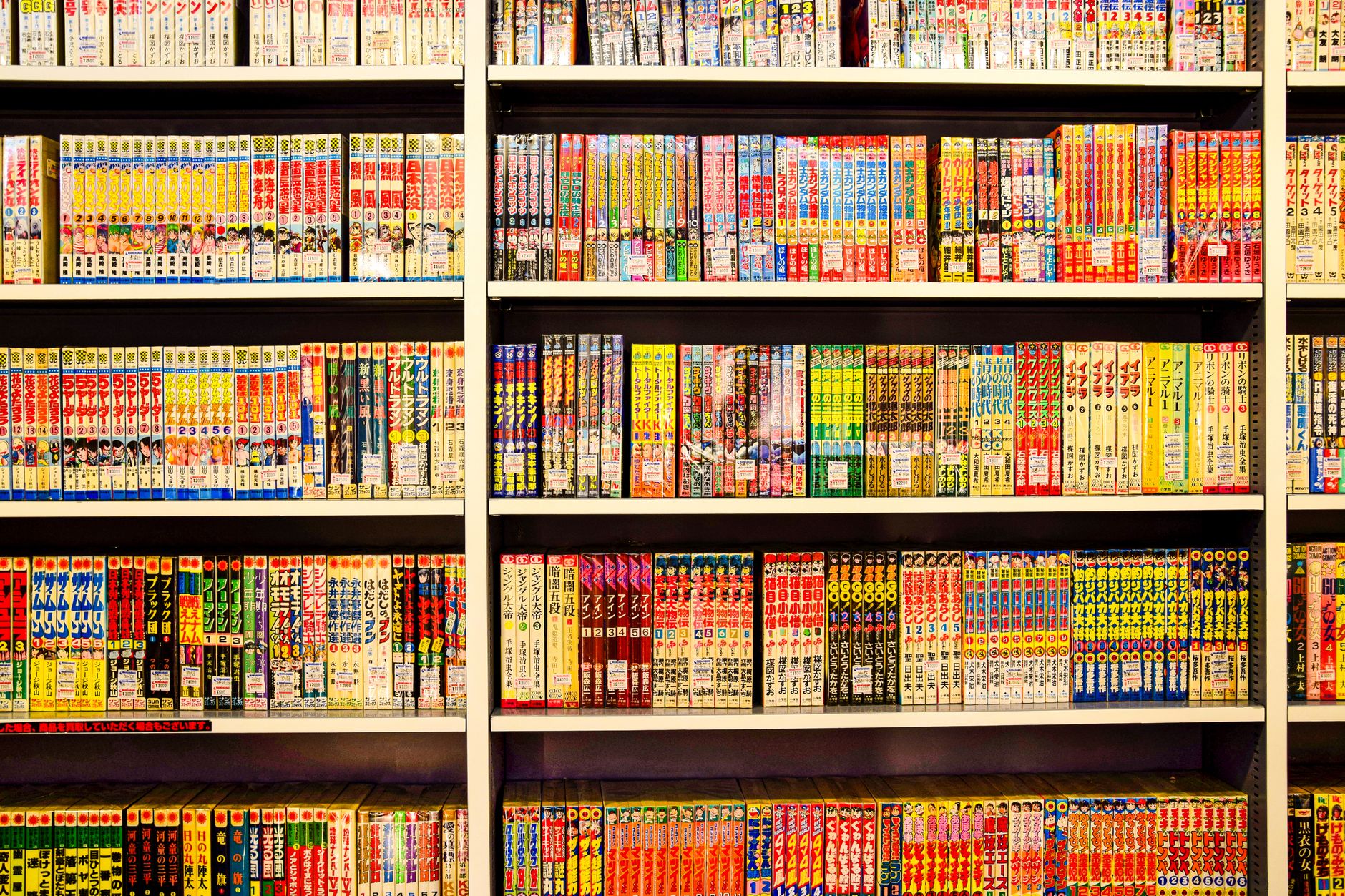
The origins of manga: before the word existed
To understand modern manga, we must go back to medieval Japan. The emakimono — illustrated scrolls on paper or silk that unrolled horizontally — are the first documented precursor of sequential Japanese visual storytelling. The Chōjū-jinbutsu-giga (戯画), painted in the 12th century and attributed to the monk Toba Sōjō, is the most celebrated example: a series of animal caricatures (frogs, rabbits, monkeys) imitating human behavior with an expressiveness and narrative rhythm that still feels surprising today.
Another fundamental precursor is the kibyōshi (yellow-cover books) of the Edo period (1603-1868): popular illustrated novels aimed at adults that combined text and image on the same page. Kibyōshi treated satirical, romantic and social-critical themes with a visual language that anticipated the panel layout.
Katsushika Hokusai and the invention of the term "manga"
In 1814, the artist Katsushika Hokusai — the same who painted The Great Wave off Kanagawa — published the first volume of his Hokusai Manga, a collection of quick and irreverent sketches about almost everything. The term he chose, manga (漫画), combines two kanji: 漫 (man), meaning improvisational or whimsical, and 画 (ga), meaning image or drawing. The loose translation would be "whimsical pictures" or "spontaneous drawings."
Modern manga: from 1900 to 1945
Japan's opening to the outside world during the Meiji Era (1868-1912) brought the influence of European and American political comics. In 1902, Rakuten Kitazawa published the first comic strip explicitly named manga in the newspaper Jiji Shimpō, becoming the father of modern newspaper manga and introducing the four-panel strip format (yonkoma).
During the Taisho period and early Showa years, children's manga experienced a notable surge. Magazines like Shōnen Club (1914) and Shōjo Club (1923) regularly published illustrated story serializations. World War II interrupted that growth: paper was scarce, many artists were mobilized and the government used manga as a propaganda tool.
Osamu Tezuka: the God of Manga
The year 1947 divides manga history into before and after. That year, a nineteen-year-old named Osamu Tezuka published Shin Takarajima (New Treasure Island), a 190-page adventure that sold over 400,000 copies in just a few months — an extraordinary figure for postwar Japan.

What Tezuka contributed was not just an exciting story: it was a completely new visual language. Influenced by Disney films, Fritz Lang and the Western cartoons he watched as a child, Tezuka introduced close-ups, low-angle shots, movement sequences decomposed across multiple panels, subjective shots and the dramatic use of silence. Tezuka died in 1989 with over 150,000 published pages and an influence on anime and manga without parallel in the medium's history.
The manga industry: magazines, tankobon and the Jump model
Manga's expansion in Japan is inseparable from the weekly magazine publishing model. In 1959, Shueisha and Kodansha simultaneously launched their first weekly manga magazines. In 1968, Shueisha launched Weekly Shōnen Jump, which would become the epicenter of mass entertainment manga.
The Jump model is based on three principles: friendship, effort and victory. Series that don't connect with readers are cancelled within weeks based on weekly reader polls. Those that succeed are serialized for years or decades. This Darwinian system explains why Jump has produced some of manga's most successful titles: Dragon Ball, Naruto, One Piece, Bleach, Death Note, Demon Slayer.
Stories published in magazines are collected into standalone volumes called tankobon, the format that reaches bookstores worldwide. Each tankobon collects between seven and twelve serialized chapters, and longer series can reach hundreds of volumes (One Piece exceeds 110).
The main manga genres
| Genre | Audience | Characteristics | Classic examples |
|---|---|---|---|
| Shonen | Boys 12-18 | Action, friendship, self-improvement, powerful antagonists | Dragon Ball, Naruto, One Piece, Demon Slayer, JJK |
| Shojo | Girls 12-18 | Romance, emotions, interpersonal relationships | Sailor Moon, Fruits Basket, Nana |
| Seinen | Adult men | Narrative complexity, mature themes, greater creative freedom | Berserk, Vagabond, Vinland Saga, Dungeon Meshi |
| Josei | Adult women | Realistic romance and drama, adult relationships | Nana, Paradise Kiss, Honey and Clover |
The globalization of manga: 1990-2010
Manga began to be systematically exported to the West in the 1980s, first with Akira adaptations and then with direct translations. The success of Dragon Ball Z on television in the 1990s created a first generation of Western readers. The definitive explosion came with Naruto and One Piece in the early 2000s. The scanlation phenomenon — unauthorized fan translation and distribution online — accelerated global manga exposure before publishers reacted.
Digital manga and the current market
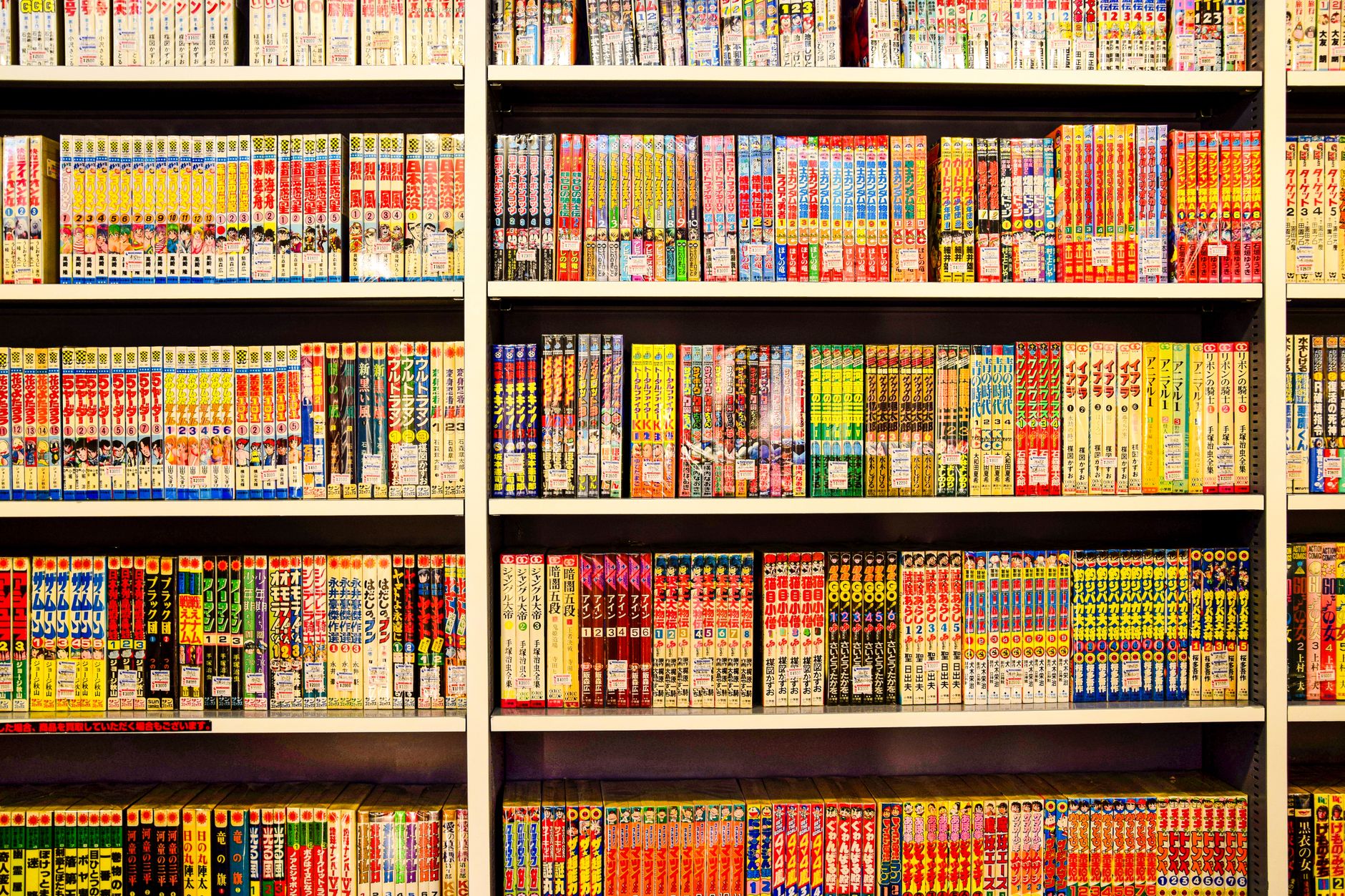
The 2020 pandemic accelerated manga digitization irreversibly. Platforms like Manga Plus (Shueisha, free with simultaneous chapters in Japanese and English), Viz Manga and BookWalker brought manga to readers who had never had access to a specialist bookstore. The global manga market currently exceeds $6 billion annually. France is the second largest manga market in the world after Japan, followed by Germany and — with accelerated growth — the United States and the UK.
The English-language manga market has grown explosively since 2020. Publishers like Viz Media, Kodansha USA, Yen Press and Seven Seas Entertainment publish hundreds of titles annually in high-quality editions. BookWalker, Comixology and Manga Plus provide digital access the same day as the Japanese release for the most popular ongoing series.
Manga chronological milestones
| Year | Milestone |
|---|---|
| 12th c. | Chōjū-jinbutsu-giga: first documented sequential visual narrative in Japan |
| 1814 | Hokusai Manga: coining of the term "manga" |
| 1902 | Rakuten Kitazawa founds modern newspaper manga |
| 1947 | Osamu Tezuka publishes Shin Takarajima: modern manga is born |
| 1959 | First weekly manga magazines (Shōnen Magazine and Shōnen Sunday) |
| 1968 | Weekly Shōnen Jump founded |
| 1984 | Dragon Ball begins serialization in Jump |
| 1999 | Naruto and One Piece begin publication in Jump |
| 2020 | Demon Slayer breaks all Japanese manga sales records |
| 2023 | Global manga market exceeds $6 billion |
FAQ about the history of manga
When did modern manga begin?
Modern manga has its official starting point in 1902, when Rakuten Kitazawa published the first comic strip explicitly named manga. However, the definitive revolution came in 1947 through Osamu Tezuka with Shin Takarajima, which introduced the cinematic language — close-ups, dynamic movement, subjective perspective — that defines contemporary manga.
What does the word manga mean?
The word manga was popularized by artist Katsushika Hokusai in 1814. Manga consists of two kanji: 漫 (man), meaning improvisational or whimsical, and 画 (ga), meaning image or drawing. A loose translation would be "whimsical pictures" or "spontaneous drawings."
Who invented manga?
There is no single inventor of manga. Roots go back to emakimono (illustrated scrolls) of the Heian period and the 12th-century chōjū-jinbutsu-giga. Hokusai coined the term in 1814. Kitazawa created modern newspaper manga in 1902. And Osamu Tezuka, considered the "God of Manga," defined the visual narrative language used by all mangaka since 1947.
What are the main manga genres?
The four main manga genres are defined by their target demographic: shonen (young men, action and friendship), shojo (young women, romance and emotions), seinen (adult men, greater narrative complexity) and josei (adult women, realistic romance and drama). Within each demographic exist subgenres like isekai, mecha, slice of life, horror, sports and fantasy.
Why is manga read right to left?
Manga is read right to left because it follows the traditional direction of Japanese writing, historically traced in vertical columns running top to bottom starting from the right. When manga adopted horizontal page formats, it maintained this reading direction. Western publishers used to publish mirrored versions until the 2000s, when most switched to the original format at readers' request.
What is the best-selling manga of all time?
One Piece by Eiichiro Oda is the best-selling manga of all time with over 530 million copies in circulation worldwide. Dragon Ball by Akira Toriyama follows with approximately 260 million, and Naruto by Masashi Kishimoto with over 250 million.