
If you've watched Spirited Away and wondered who those creatures bathing themselves are, or watched Noragami and got curious about why a minor god needs to earn followers, you're brushing up against Shinto: Japan's native religion, and no other cultural influence runs through anime quite like it. This guide explains what Shinto is, its key concepts, and which anime represent it best, without dumbing it down.
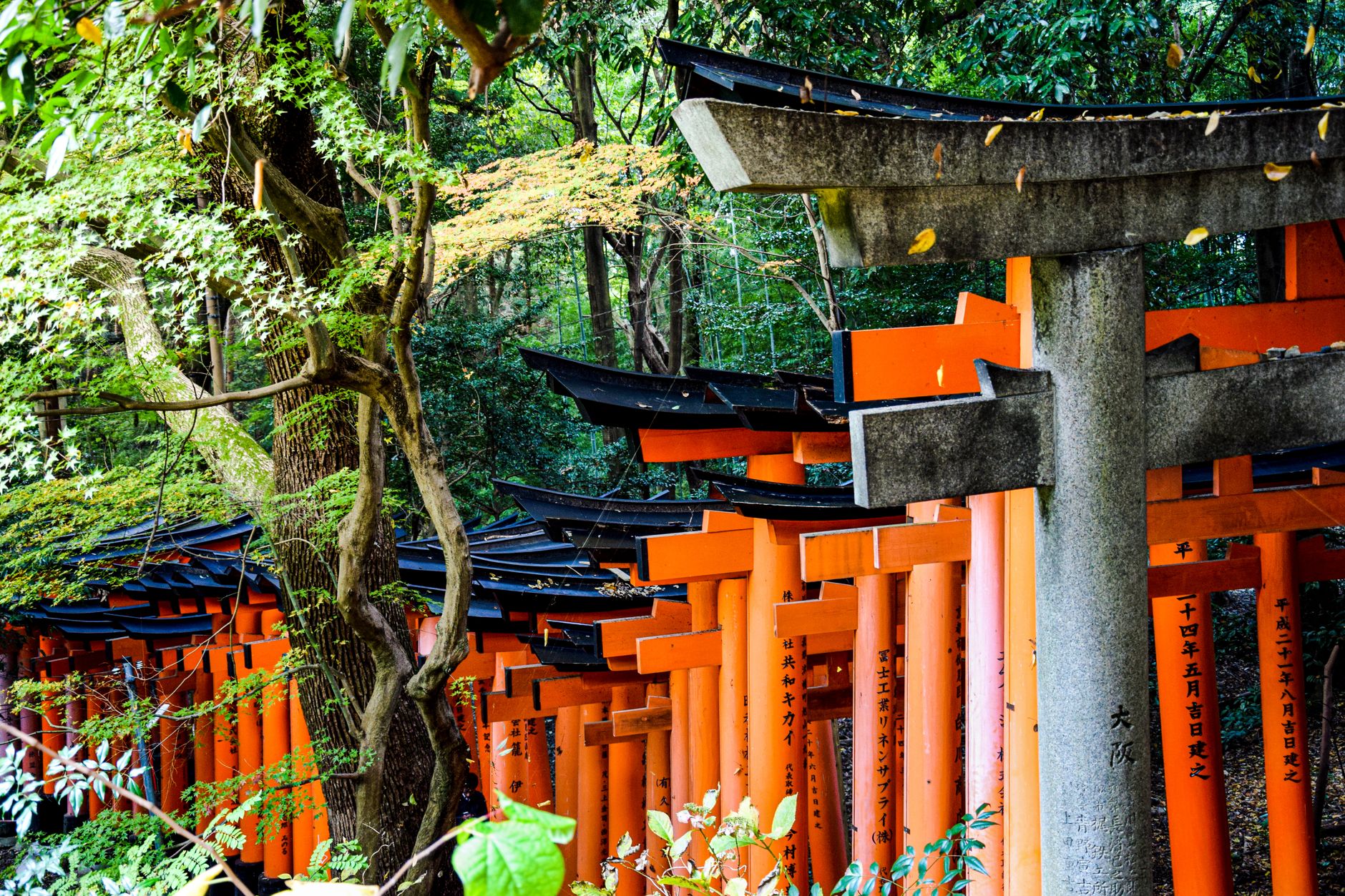
What Is Shinto?
Shinto (神道, literally "the way of the gods" or "the way of the kami") is Japan's native religion. Unlike Buddhism, Christianity or Islam, Shinto has no historical founder, no single sacred text, and no closed system of dogma. It is, above all, a living practice: a way of relating to the world, to nature, and to the spiritual beings that inhabit it.
In Shinto, anything can be sacred. A mountain, a centuries-old tree, an unusual rock, the sound of thunder: any element of nature can be the dwelling place of a kami. The relationship with these beings isn't one of obedience or salvation, but of respect, purification and reciprocity.
Today, Shinto and Buddhism coexist in Japan in a syncretic way: many Japanese people practice both in different contexts. This coexistence — which would feel strange in other cultures — shows up constantly in anime.
Kami: What They Are and Why They Aren't "Gods" Like in the West
The word kami (神) is usually translated as "god" or "spirit," but no translation is perfect. Kami are spiritual entities that can inhabit:
- Natural elements: mountains, rivers, trees, waterfalls, rocks, wind
- Phenomena: thunder, the sun (Amaterasu, the principal sun goddess), the moon (Tsukuyomi)
- Ancestors: deceased people who become protective kami of their family or place
- Objects: ancient swords, ritual mirrors or jewels can house kami
- Concepts: fertility, harvest, fire and the sea all have their own kami
There are literally millions of kami in Shinto. Japan's collection of myths (the Kojiki, 8th century CE) names thousands of them. But kami aren't all-powerful or all-knowing: they can be irritable, vulnerable, weak if nobody honors them. This ambivalence makes them dramatically rich, and it's exactly why anime uses them so well as characters.
Shinto Shrines (Jinja) in Anime
The jinja (神社) is the physical space where a kami resides and is worshipped. Spotting one in anime is easy because it has very distinctive visual elements:
| Element | Japanese Name | What It Is |
|---|---|---|
| Red or orange gate | Torii (鳥居) | Threshold between the mundane and the sacred |
| Gravel path | Sandō (参道) | Approach path to the shrine |
| Water fountain | Temizuya (手水舎) | Ritual purification of hands and mouth before entering |
| Offering boxes | Saisen-bako (賽銭箱) | Where offering coins are deposited |
| Fortune papers | Omikuji (おみくじ) | Paper oracles about the future |
| Amulets | Omamori (お守り) | Protections for different areas of life |
| Main hall | Honden (本殿) | Where the kami physically resides (not entered) |
| Stone guardians | Komainu (狛犬) | Lion-dogs that guard the shrine |
In anime, shrines are places of power, decision-making, encounters with the supernatural, or the start of adventures. If a character climbs a long staircase toward an old building surrounded by trees, they're probably arriving at a jinja.
Miko: The Priestesses of Anime (and of Real Life)
One of the most iconic images of Shinto-themed anime is the miko (巫女): a young woman in a red hakama and white top who assists at a shrine. In real Japan, miko perform tasks like selling omamori, helping with ceremonies, performing ritual dances (kagura) and maintaining the shrine.
In anime, miko frequently have spiritual powers: they can sense kami, exorcise demons, or act as mediators between worlds. This amplified version comes from a real tradition: in ancient Japan, miko (also called kannagi) were shamans who served as intermediaries with the gods.
Examples in anime: Rei Hino (Sailor Mars) works at a shrine; Kikyo and Kagome in Inuyasha are miko with powers; Chihiro's grandmother in Spirited Away-adjacent folklore ties into the same Shinto world.
Shinto Through Anime: A Guide by Series
These are the anime that best represent or explore Shinto, from the most accessible to the deepest:
Spirited Away (Sen to Chihiro no Kamikakushi, 2001)
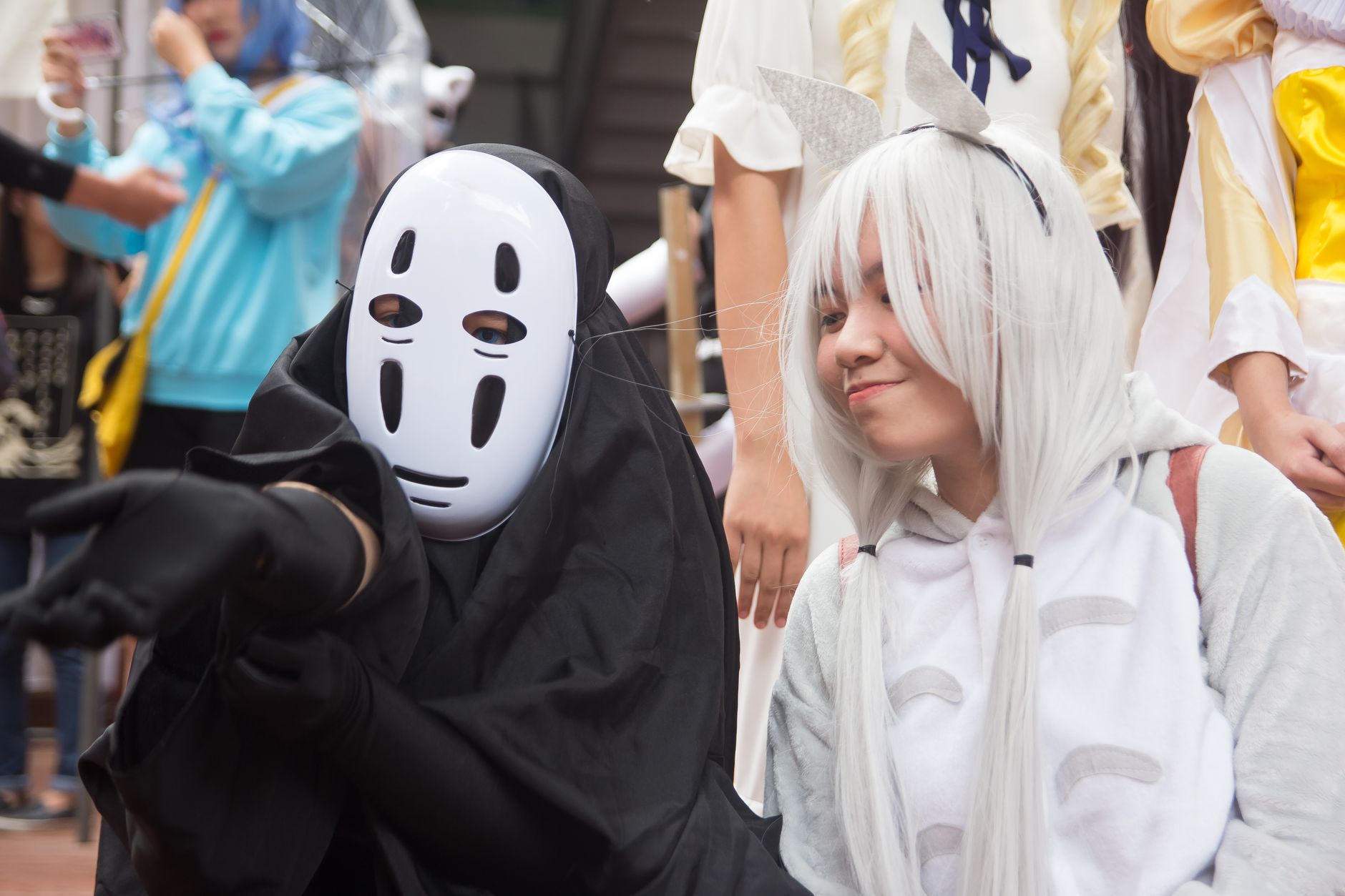
Miyazaki's masterpiece is the perfect gateway into Shinto. The bathhouse is a purification site for the kami: colossal, strange figures who need to cleanse themselves of the world's contamination. Chihiro works for them, learns their rules of respect and purity, and comes to understand that kami are neither good nor bad: they simply are. No-Face, the river spirit that turns out to be a dragon, the spider-man who tends the boiler room — all of it is rooted in Shinto cosmology.
Noragami (2014–2015)
Noragami is the anime that most explicitly plays with the mechanics of modern Shinto. Yato is a minor god with no shrine, no followers, and barely a few offering coins. To exist, he needs humans to worship him. That mechanism — kami weaken if no one remembers them — is a dramatic extrapolation of real logic: shrines with no visitors fall into disrepair and their kami "fade away." The series showcases the Japanese pantheon with recognizable gods like Bishamon, goddess of war and wealth.
Mushishi (2005–2015)
Mushishi isn't explicitly about Shinto, but it's deeply steeped in its worldview. The mushi are primitive life forms that dwell at the edges of the perceptible world, very close to the concept of local, minor kami. The protagonist Ginko, who studies them and mediates between them and humans, occupies a role similar to that of the traditional shaman or mushi-shi. The series captures the mono no aware — the melancholic awareness of impermanence — that permeates Japanese spirituality.
If Mushishi caught your interest, read our Mushishi watch order guide.
Inuyasha (2000–2004)
Inuyasha blends Shinto with Buddhism and medieval Japanese folklore (sengoku jidai). Kagome is a 21st-century miko who travels into the past. The Shikon Jewel is a sacred Shinto artifact. Demons (youkai) and spirits have roots in Japanese folklore that precede and blend with Shinto. It's a great anime for seeing how the Japanese mix the divine, the demonic and the spiritual into a single narrative.
Natsume's Book of Friends (2008–2017)
Natsume is a young man who can see kami and youkai. The anime handles the relationship between humans and spiritual beings with exceptional gentleness. Natsume's Book of Friends contains the names of kami his grandmother captured: recovering and freeing them is his mission. The concept of a name as a source of power over a kami is authentically Shinto.
Kamisama Kiss (2012)
The protagonist, Nanami, accidentally becomes the local god of a shrine. The series explores the role of a local deity (tochigami), the spiritual familiars who serve the shrine (shikigami), and the obligations a kami has to its community. It's light and romantic, but surprisingly precise in its use of Shinto vocabulary.
Shinto Concepts Every Anime Fan Should Know
| Concept | Japanese | What It Means in Anime |
|---|---|---|
| Purity/impurity | Kegare / Harae | Characters must purify themselves before entering sacred zones; impurity attracts misfortune |
| Musubi | 結び | The binding, creative force; appears as a central concept in Your Name |
| Iwato | 岩戸 | The stone cave where Amaterasu hid; referenced in many mythology-themed anime |
| Ofuda | お札 | Paper talisman inscribed with kami; used as a weapon or protection in action anime |
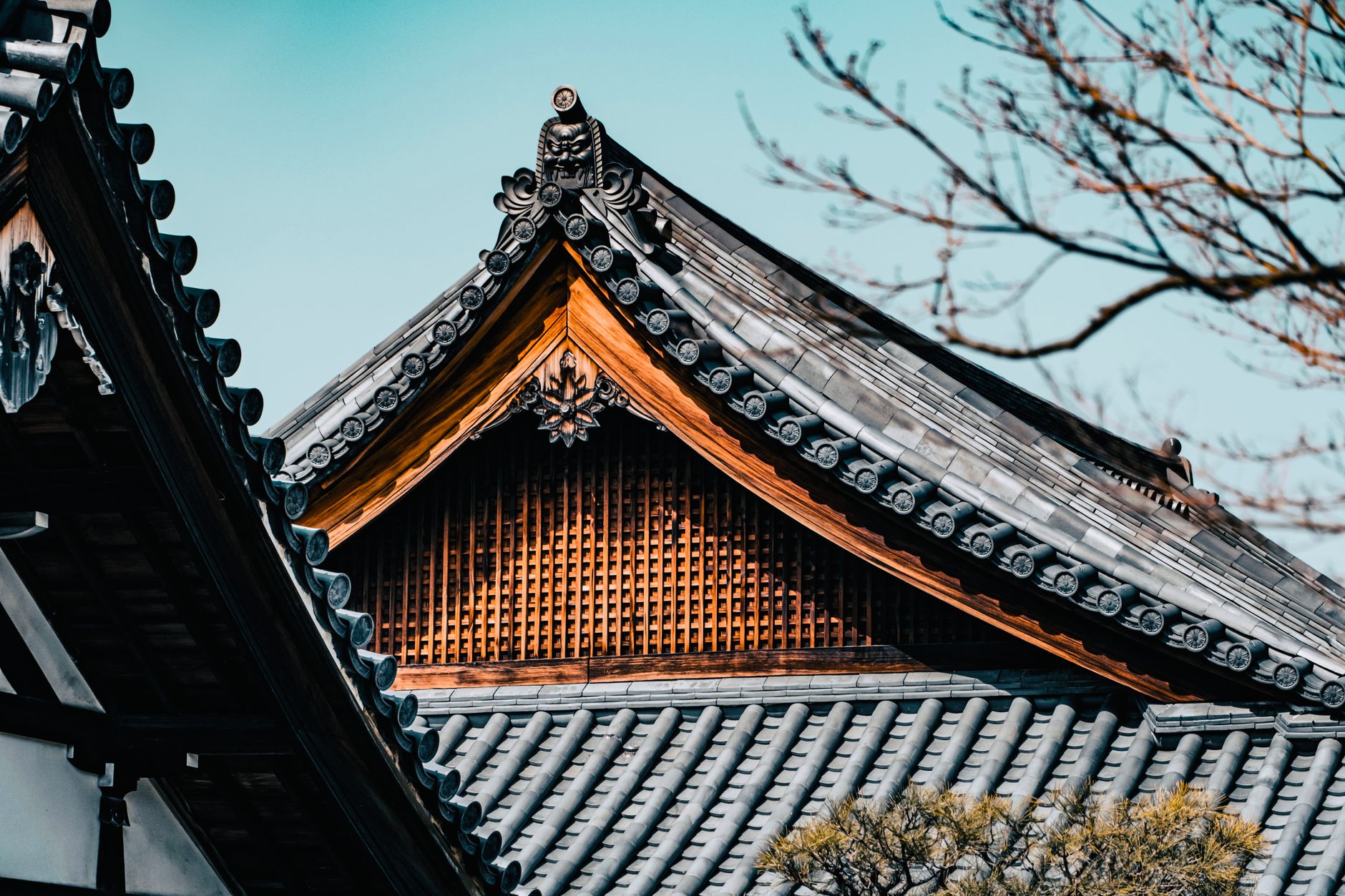
| Shide | 紙垂 | Zigzag paper strips marking sacred objects (shimenawa); a visual Shinto symbol |
| Youkai | 妖怪 | Supernatural beings from Japanese folklore; coexist with kami though they're a distinct category |
| Tanuki / Kitsune | 狸 / 狐 | Animals with magical powers; the fox (kitsune) is the messenger of Inari, god of the harvest |
| Sakaki | 榊 | Sacred tree used in Shinto rituals; its branches appear in anime ceremony scenes |
Your Name (Kimi no Na wa, 2016) and Shinto
Your Name by Makoto Shinkai is one of the most-watched anime films in history, and at its heart is the Shinto concept of musubi (結び): the force that binds, weaves and connects. Mitsuha's grandmother explains it explicitly: the knot in the braided cord Mitsuha weaves is musubi; the meeting between souls is musubi; the ceremonial sake she offers the gods is musubi. The film would be incomprehensible without understanding this Shinto notion of sacred interconnection.
The mountain shrine, the sacred lake and the family tradition of miko are direct Shinto elements. Shinkai turns Shinto into visual poetry accessible to everyone.
If you want the full breakdown — musubi, kataware-doki, kuchikamizake, and why the ending makes even more sense once you understand Shinto — we have a dedicated guide: Your Name (Kimi no Na Wa) and Shinto Explained.
If Shinto in anime has sparked your curiosity, these books are the natural next step: Shinto: The Kami Way (Ono Sokyo) is the standard introductory text; The Japanese by Edwin O. Reischauer offers full cultural context.
See Shinto Books on AmazonAffiliate link: we earn a small commission on qualifying purchases, at no extra cost to you.
Why Anime Is the Best Introduction to Shinto for Westerners
Shinto is hard to explain in abstract terms because it has no dogma: it's understood by living it, or at least by observing it. Anime has the advantage of showing rituals, spaces and relationships with the kami in narrative context. When Chihiro stops to wash her hands at the fountain before entering the bathhouse, or when Yato explains he needs prayers to exist, Shinto stops being a concept and becomes emotion and action.
No comparative religion textbook can do what Spirited Away does in 125 minutes.
Related Guides
Frequently Asked Questions About Shinto in Anime
What is Shinto?
Shinto (神道) is Japan's native religion, based on venerating kami (spiritual entities that inhabit nature). It has no founder, no single sacred text, no fixed dogma: it's a practice of respect, purification and a relationship with the spiritual world.
What is a kami in Shinto?
Kami are spiritual entities that can inhabit mountains, rivers, trees, rocks, natural phenomena, ancestors and objects. They aren't all-powerful gods: they're forces or presences with their own agency, sometimes beneficial, sometimes dangerous.
Which anime explains Shinto best?
Spirited Away is the most accessible introduction. Noragami explores it in greater narrative detail. Mushishi and Natsume's Book of Friends capture its spirit without naming it explicitly. Your Name uses the concept of musubi as its central structure.
What is a Shinto shrine (jinja)?
The jinja is the place where a kami resides and is worshipped. It's recognizable by the torii (red gate), gravel path, purification fountain and main hall (honden). It constantly appears in anime as a place of power or transition into the supernatural.
What's the difference between Shinto and Buddhism in anime?
Shinto is native to Japan and centers on the kami; Buddhism arrived in the 6th century from China. Temples (otera) with monks are Buddhist; shrines (jinja) with miko are Shinto. In anime — and in real Japanese practice — they coexist without contradiction.
What is a torii in anime?
The torii is the characteristic gate of Shinto shrines, usually red or orange. It marks the threshold between the mundane and the sacred. In anime it visually symbolizes crossing into the supernatural.
Are the miko in anime real?
Yes. Miko are assistants at Shinto shrines, recognizable by their red hakama and white top. In real Japan they perform ritual duties and sell omamori. Anime amplifies their powers, but the base role is entirely real.
Does anime distort Shinto?
It draws on real elements (kami, torii, miko, purification) and dramatically amplifies them. Kami become characters with dialogue, rituals become battles. But the cultural foundation is authentic. Anime is a gateway, not an academic document.