
Our Frieren watch order guide already covered mono no aware, the bittersweet feeling toward things that end. Here we're looking at a distinct but complementary concept: wabi-sabi (侘寂), the Japanese aesthetic that explains why the show is full of moss-covered ruins, worn-out objects and towns aging in peace. It's not just visual decoration: it's the visual grammar Frieren: Beyond Journey's End uses to tell you, without a word, that time has passed — and that this, too, is beautiful.
What exactly is wabi-sabi?
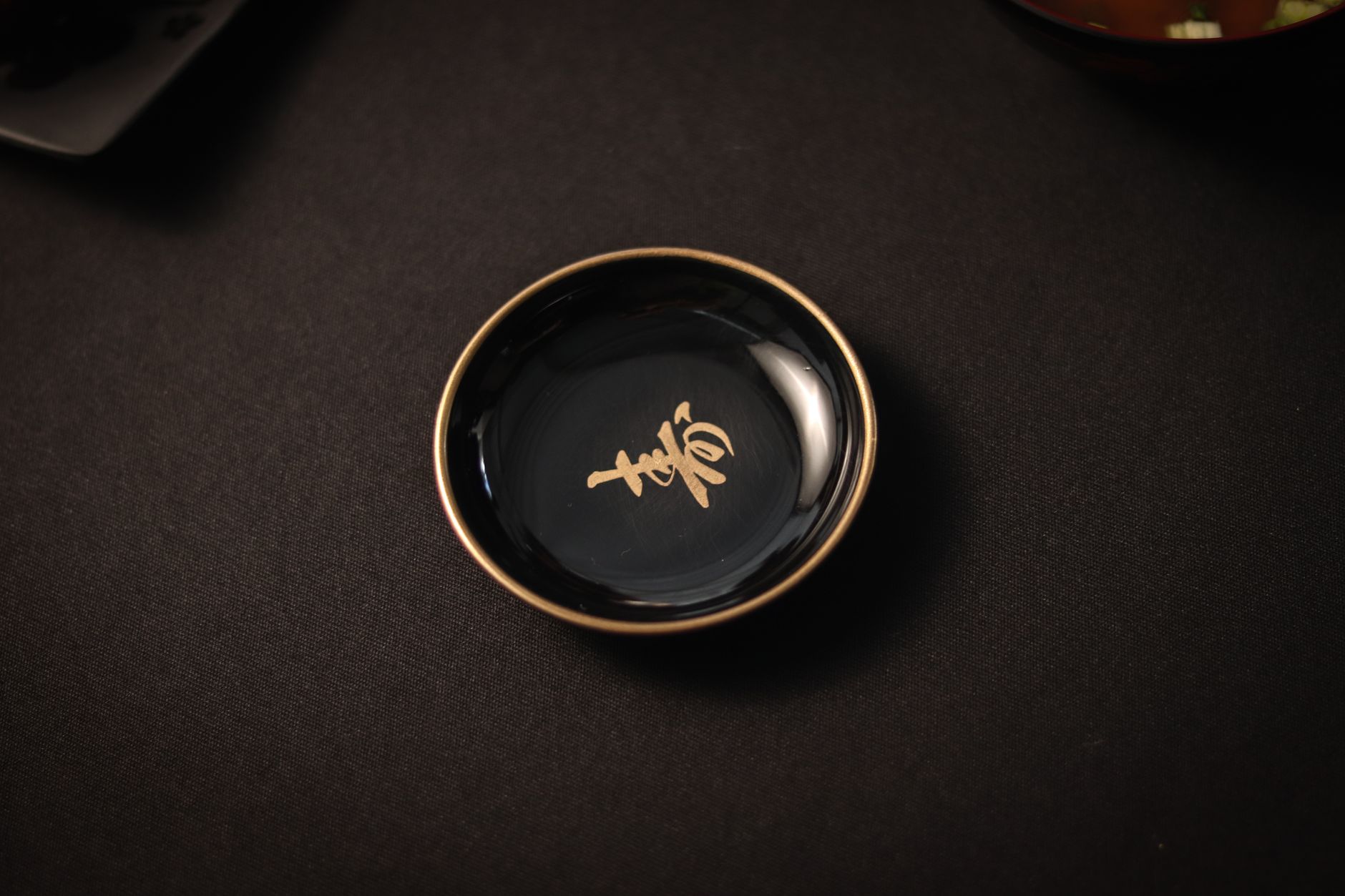
Wabi-sabi combines two words, each with its own history. Wabi (侘) originally described the solitude of a monk or hermit, and over time came to mean the beauty of the simple, the humble, the unadorned. Sabi (寂) describes the patina that time leaves behind: moss on a stone, rust on metal, wood that cracks and darkens with age. Together they form an aesthetic philosophy that rejects symmetrical, brand-new perfection and instead finds value in the asymmetrical, the incomplete, and things that visibly show their age.
It's the opposite of the "like new" ideal. In wabi-sabi, a cup with a visible crack doesn't lose value from being broken — it gains value, because that crack tells a story a never-used cup never could.
How Frieren translates wabi-sabi into images
Frieren begins where most epic fantasies end: the Demon King is already defeated, the party of heroes disbands, and what's left is a world at peace, aging slowly. That narrative choice forces the show to build its visual identity around what survives the passage of time, not what gets destroyed in battle:
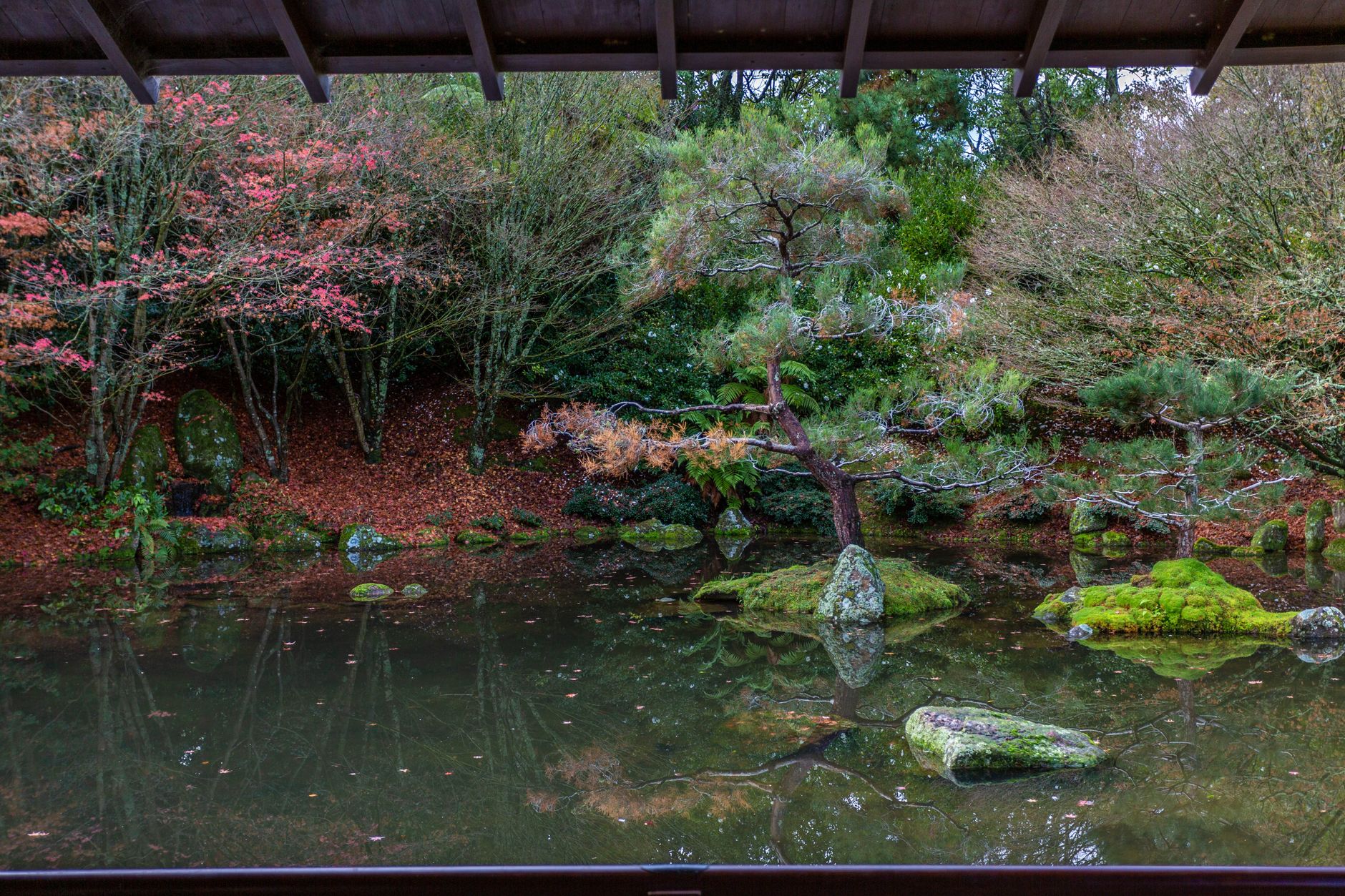
- Towers and ruins covered in vegetation: the remains of old battles aren't cleaned up or rebuilt; they're left there, absorbed into the landscape, as a quiet reminder of what happened.
- Objects with visible history: the staff, the spellbooks and the small keepsakes Frieren carries from her old companions are worn, not gleaming. Their wear is part of their meaning.
- Towns that age, not freeze in place: the places Frieren revisits decades later have changed, decayed or transformed — they never stay perfectly preserved like something out of a fairy tale.
- Marked seasons: fallen leaves, snow covering monuments, flowers growing over graves: nature advancing over human structures is a quintessential wabi-sabi image.
Wabi-sabi vs. mono no aware: two concepts people mix up
It's easy to blend the two terms because they constantly appear together in Frieren, but they aren't the same thing:
| Aspect | Mono no aware | Wabi-sabi |
|---|---|---|
| What it is | An emotion: bittersweet tenderness toward the fleeting | An aesthetic: beauty found in the imperfect and worn |
| Where it lives in Frieren | In what Frieren feels when she remembers Himmel | In what the camera shows: ruins, objects, seasons |
| Origin | Classical Japanese literature (Heian era, 11th century) | Tea ceremony and zen aesthetics (15th-16th century) |
| Question it answers | "Why does it move me when something ends?" | "Why can something worn-out be beautiful?" |
Put another way: mono no aware is what happens inside Frieren when she thinks of Himmel; wabi-sabi is what we see on the outside, in every ruin, every old object and every landscape that's changed with the years. The show works because it never separates the two: the inner emotion always has a worn, beautiful visual counterpart.
Kintsugi as a metaphor (even if it never appears literally)
Kintsugi (金継ぎ, "golden joinery") is the Japanese technique of repairing broken pottery with lacquer mixed with gold dust, leaving the crack visible instead of hiding it. It's arguably the best-known expression of wabi-sabi outside Japan, and although Frieren never shows the technique literally, it's the perfect metaphor for how the protagonist relates to her own past.
Frieren doesn't bury her broken memories from the original adventure: she carries them visibly, like a vessel mended with gold. A useless spell she learned only to impress someone who's no longer around, a promise half-kept, an object with no practical use that she keeps for years — none of it gets discarded for being "pointless." On the contrary, those golden cracks are the most valuable part of who Frieren is.
Why wabi-sabi doesn't feel entirely foreign
For a Japanese viewer, wabi-sabi is an aesthetic inheritance absorbed since childhood. For viewers elsewhere, it doesn't need to be explained entirely from scratch either, because many cultures already live surrounded by their own equivalent: towns built from centuries-old stone left intentionally unrestored, ancient trees valued precisely for their gnarled trunks, the habit of inheriting furniture, jewelry or tools from earlier generations instead of replacing them with new ones.
What wabi-sabi contributes isn't the feeling itself — that already exists in plenty of places — but a name and a complete philosophical framework for something many of us live intuitively, without ever labeling it. Watching Frieren through this lens adds a layer: we understand her melancholy almost instinctively, and the anime hands us the Japanese vocabulary to explain why that melancholy feels so familiar, and so beautifully constructed on screen.
Quick cultural glossary for watching Frieren with new eyes
| Term | Kanji | What it means in Frieren |
|---|---|---|
| Wabi-sabi | 侘寂 | Beauty in the imperfect and worn: ruins, old objects, towns that change |
| Mono no aware | 物の哀れ | Frieren's bittersweet feeling as she watches the humans she knows age and die |
| Ma | 間 | The meaningful pause: the silences and long shots the show never fills with dialogue |
| Kintsugi | 金継ぎ | Metaphor for Frieren's relationship with her broken memories: shown, not hidden |
Kanehito Yamada's manga (illustrated by Tsukasa Abe) lingers even more on the small objects and settings that build the show's wabi-sabi feel, something the manga captures page by page.
See Frieren manga on AmazonAffiliate link: we earn a small commission on qualifying purchases, at no extra cost to you.
Related guides
Frequently asked questions about wabi-sabi in Frieren
What is wabi-sabi?
A Japanese aesthetic that finds beauty in the imperfect, the incomplete and things that show the passage of time, like moss on stone or a cup with a repaired crack.
How is it different from the mono no aware that also appears in Frieren?
Mono no aware is an inner emotion toward the fleeting; wabi-sabi is a visual and material aesthetic about worn objects and places. Frieren combines the two constantly.
Why does Frieren feature so many ruined buildings and weathered landscapes?
Because the story unfolds in a world at peace that's aging, not in the middle of a war. The moss-covered ruins are the visual language of wabi-sabi.
What is kintsugi, and does it appear in Frieren?
It's the Japanese technique of repairing broken pottery with visible gold. It doesn't appear literally in the show, but it's the perfect metaphor for how Frieren carries her broken memories visibly.
Why does wabi-sabi resonate so widely?
Because plenty of cultures already have a similar sensibility toward inhabited ruins and inherited objects; wabi-sabi just gives it a name and a philosophical framework for something we already feel.
Can wabi-sabi be applied outside anime?
Yes: accepting worn objects instead of replacing them, and valuing visible imperfections, is a direct application of wabi-sabi to everyday life.
Do I need to understand wabi-sabi to enjoy Frieren?
No, but understanding the concept adds a layer of reading that explains why the show lingers on seemingly small details.